

Termites cause billions of dollars in property damage across the United States each year, and Arizona's warm, dry climate makes it an especially attractive home for these destructive pests. If you've noticed mud tubes along your foundation, hollow-sounding wood, or discarded wings near windows, you're right to be concerned. Understanding your treatment options can help you protect your home and make informed decisions about safeguarding one of your biggest investments.
Don't wait for termite damage to spread—contact Arizona Termite Specialists today by calling (602) 900-9799 or filling out our online contact form for a professional assessment.
Understanding Arizona's Termite Problem
Arizona is home to several termite species, with subterranean termites being the most common and destructive. These pests live in underground colonies that can contain hundreds of thousands of individuals, and they're constantly searching for cellulose—the main component of wood—to feed their colony. Desert dampwood termites and drywood termites also affect Arizona homes, though they're less common.
The warm weather in Glendale, Scottsdale, Cave Creek, Gilbert, Mesa, and Peoria means termites stay active year-round, unlike colder climates where winter provides a natural break. This continuous activity makes proactive treatment and regular monitoring essential for Arizona homeowners.
Liquid Termiticide Treatments
Liquid termiticide treatments remain one of the most widely used methods for controlling subterranean termites. This approach involves applying a liquid chemical barrier around and beneath your home's foundation, creating a protective zone that termites cannot cross without being affected by the treatment.
How Liquid Treatments Work
A pest control professional will dig a trench around your home's perimeter and drill holes through concrete slabs or other hard surfaces. The termiticide is then applied to the soil, creating a treated zone. When termites encounter this barrier while foraging for food, they either die from exposure or carry the chemical back to their colony, where it affects other members.
Modern liquid termiticides are designed to be non-repellent, meaning termites can't detect them and avoid the treated area. This increases effectiveness because termites pass through the barrier unknowingly. These treatments typically provide protection for five to ten years, depending on soil conditions and the specific product used.
Termite Baiting Systems
Baiting systems offer a different approach that targets the colony itself rather than creating a chemical barrier. This method can be particularly effective when you want to minimize chemical use around your property or when treating specific problem areas.
The Baiting Process
Baiting systems work through these key steps:
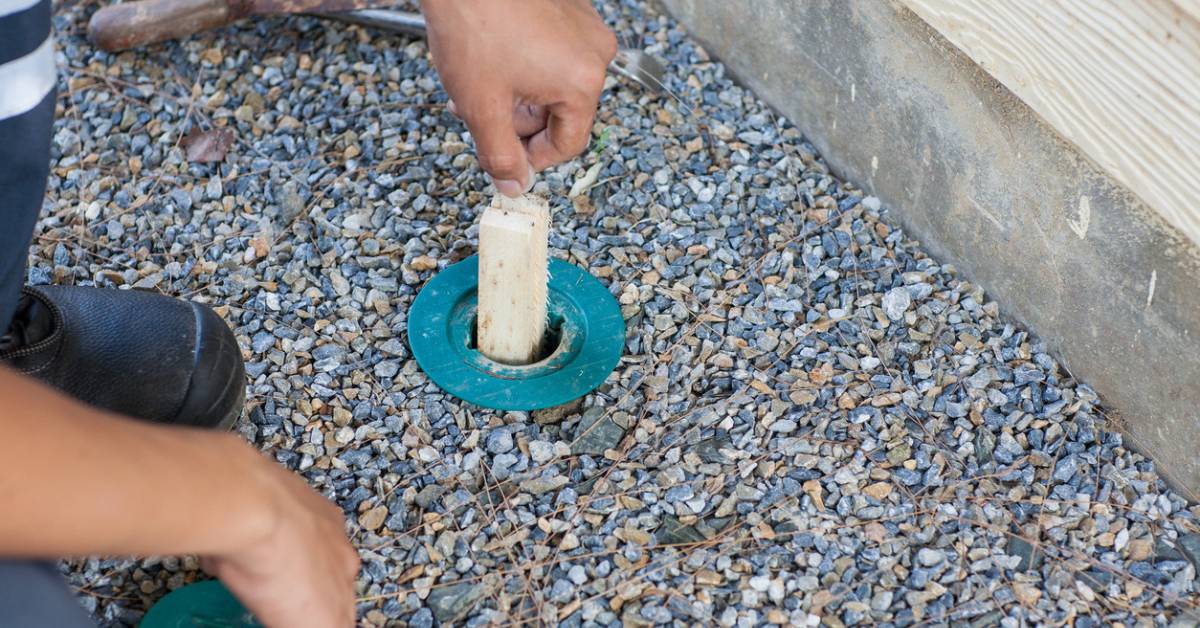
- Installation: Monitoring stations are placed in the ground around your home at regular intervals.
- Monitoring: Stations are checked periodically for termite activity.
- Baiting: When termites are detected, the monitoring device is replaced with a bait cartridge containing a slow-acting substance.
- Colony elimination: Termites feed on the bait and share it with colony members, eventually affecting the entire colony.
The main advantage of baiting systems is that they use far less chemical product than liquid treatments. However, they require ongoing monitoring and maintenance, which means regular service visits. Results can also take longer to achieve compared to liquid barriers, sometimes requiring several months to impact the colony significantly.
Fumigation for Drywood Termites
While subterranean termites are Arizona's primary concern, drywood termites can also infest homes, particularly in attics and upper-story woodwork. When drywood termite infestations are widespread throughout a structure, fumigation may be the most practical solution.
Fumigation involves covering your entire home with a tent and introducing a gas that penetrates all wood within the structure. This method reaches areas that would be impossible to treat otherwise, including inside walls, attics, and furniture. The process typically takes two to three days, and you'll need to vacate your home during treatment.
It's worth noting that fumigation doesn't provide residual protection—it only eliminates termites present at the time of treatment. This makes it important to follow up with preventive measures or monitoring to catch any future infestations early.
Localized Wood Treatments
For small, isolated drywood termite infestations, localized treatments can be a cost-effective option. These termite treatment services focus on specific affected areas rather than treating the entire structure.
Localized treatment methods include:
- Spot treatments: Injecting termiticide directly into drywood termite galleries
- Foam applications: Using expanding foam that reaches into wall voids and other hidden spaces
- Heat treatments: Applying controlled heat to specific areas to raise temperatures to levels that eliminate termites
These approaches work well when damage is limited and the infestation is clearly defined. However, they're not suitable for widespread infestations or when the full extent of damage is unknown. A thorough inspection helps determine whether localized treatment is appropriate for your situation.
Physical Barriers and Preventive Measures
While not a standalone treatment, physical barriers and preventive measures play an important role in protecting Arizona homes from termites. During construction or major renovations, installing physical termite barriers—such as stainless steel mesh or specially treated sand—can provide long-term protection.
Additional preventive steps include maintaining proper drainage around your foundation, keeping wood-to-soil contact to a minimum, and storing firewood away from your home. Regular termite inspections help catch problems early, before extensive damage occurs.
Choosing the Right Treatment for Your Home
Selecting the most appropriate termite treatment depends on several factors specific to your situation. The type of termite affecting your home is the first consideration—subterranean termites respond best to liquid treatments or baiting systems, while drywood termites may require fumigation or localized treatments.
The extent of the infestation also matters. A small, contained problem might be resolved with spot treatments, while widespread activity typically calls for more comprehensive approaches. Your home's construction, landscaping, and your personal preferences regarding chemical use should all factor into the decision.
Working with experienced professionals who understand Arizona's unique termite challenges makes a significant difference. They can assess your specific situation, explain your options clearly, and recommend approaches that make sense for your home and budget.
Protect Your Arizona Home from Termite Damage
Arizona's climate and termite activity patterns require homeowners to take termite protection seriously. Whether you're dealing with an active infestation or want to prevent future problems, professional guidance ensures you choose the right treatment approach. Arizona Termite Specialists serves homeowners throughout Glendale, Scottsdale, Cave Creek, Gilbert, Mesa, and Peoria with experienced termite control solutions.
Call (602) 900-9799 or complete our online contact form to schedule your consultation and protect your home from these destructive pests.